

Blogs
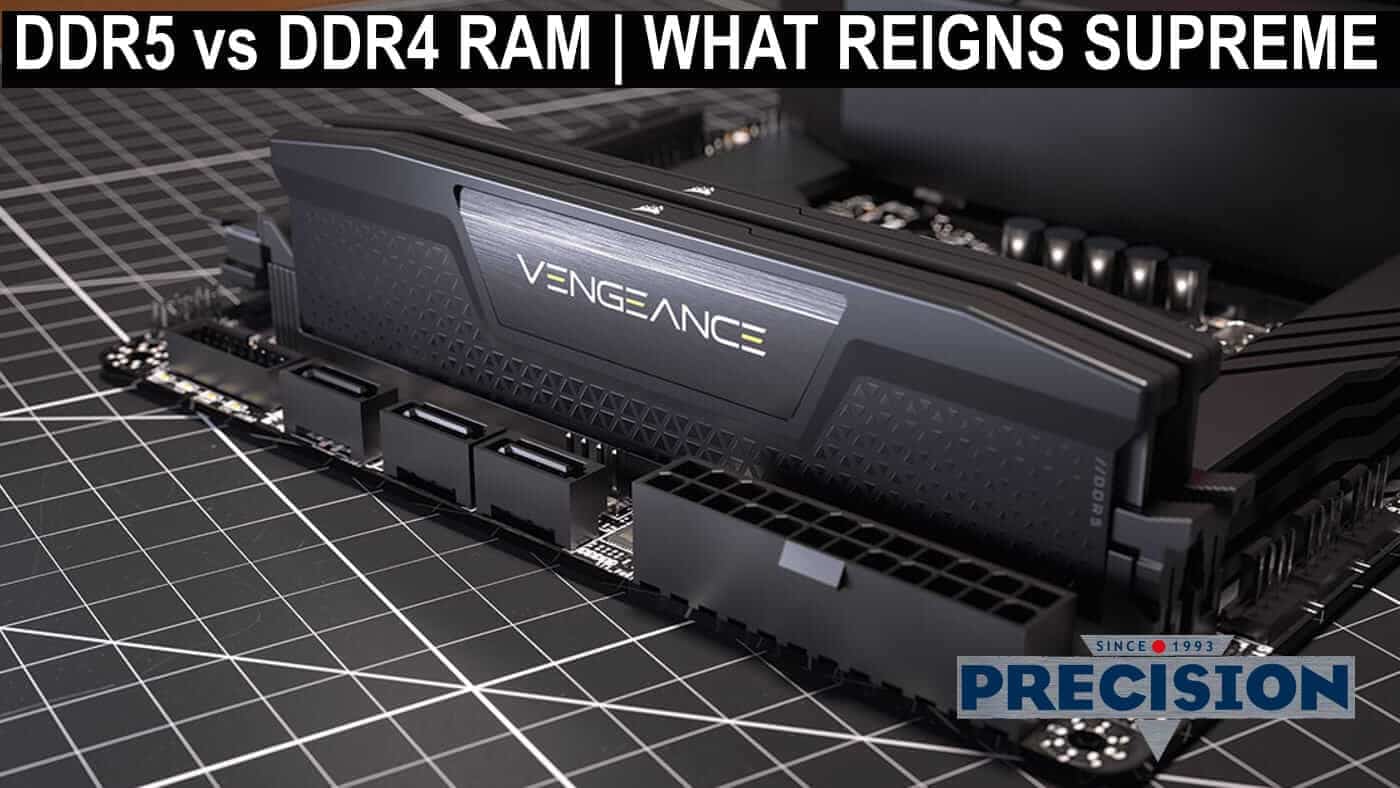
DDR5 vs DDR4 RAM: Memory Comparison | Which is Better?
Welcome to the ultimate showdown between DDR5 vs DDR4 RAM (memory comparison) & Find out which reigns supreme. In this highly anticipated comparison, we delve into the intricacies of these two memory technologies to determine which reigns supreme in the world of computing. As technology continues to advance at a rapid pace, the choice between DDR5 and DDR4 RAM becomes increasingly crucial for optimal system performance. Join us as we dissect the key differences, advantages, and limitations of each, ultimately answering the burning question: which is better for your needs? Let's dive in and uncover the memory magic behind DDR5 versus DDR4.
Evolution of RAM:
Random Access Memory (RAM) has evolved significantly since its inception, driven by the relentless pursuit of faster, more efficient, and higher-capacity memory solutions to keep pace with the escalating demands of modern computing. In this blog post, we discuss (DDR5 vs DDR4 RAM).
Advancements in Capacity and Speed:
· SDRAM: Synchronous Dynamic Random Access Memory (SDRAM) emerged as a successor to DRAM, introducing synchronized data transfers with the system clock. This innovation led to significant improvements in memory bandwidth and efficiency, making SDRAM the dominant memory technology throughout the 1990s and early 2000s.
· DDR SDRAM: Double Data Rate Synchronous Dynamic Random Access Memory (DDR SDRAM) further enhanced memory performance by doubling the data transfer rate compared to traditional SDRAM. DDR memory became the new standard for desktops, laptops, and servers, offering improved bandwidth and responsiveness for demanding computing tasks.
Transition to Modern Standards:
· DDR2, DDR3, DDR4: Subsequent iterations of DDR SDRAM, including DDR2, DDR3, and DDR4, continued to push the boundaries of memory technology with higher data transfer rates, increased capacities, and improved power efficiency. Each new generation of DDR memory introduced architectural enhancements and refinements to meet the evolving needs of consumers and businesses.
· GDDR: Graphics Double Data Rate (GDDR) memory emerged as a specialized form of DDR SDRAM optimized for graphics processing units (GPUs) in gaming consoles, graphics cards, and other multimedia devices. GDDR memory offered higher bandwidth and faster data transfers specifically tailored to the demands of graphics-intensive applications.
· DDR4 RAM has been the standard memory module for several years now, offering commendable performance and reliability. It operates at voltages between 1.2V to 1.4V, with frequencies typically ranging from 2133 MHz to 3200 MHz. DDR4 modules come with varying capacities, from a few gigabytes to several dozen gigabytes per stick.
The Rise of DDR5 RAM:
- DDR5 RAM represents the next step in memory evolution, promising improved performance and efficiency over DDR4. One of the most significant advancements with DDR5 is its increased density, allowing for larger capacities per module. DDR5 also operates at lower voltages than DDR4, which contributes to reduced power consumption and heat generation. Moreover, DDR5 introduces higher data transfer rates, potentially reaching speeds of up to 6400 MHz.
- The evolution of RAM is a testament to the relentless pursuit of innovation and progress in the field of computer hardware. From the humble beginnings of ferrite core memory to the cutting-edge DDR5 technology of today, RAM has undergone a remarkable transformation, driving advancements in computing performance, efficiency, and reliability. As technology continues to evolve, the future of RAM holds promise for even more exciting developments, paving the way for a new era of computing possibilities.
MEMORY COMPARISON (DDR5 vs DDR4 Ram) - DDR5
Pros:
· Increased Performance: DDR5 RAM offers higher data transfer rates compared to DDR4, resulting in improved overall system performance and responsiveness.
· Higher Capacity: With increased density, DDR5 modules can accommodate larger capacities per stick, allowing for more extensive multitasking and handling of large datasets.
· Lower Power Consumption: Operating at lower voltages, DDR5 RAM consumes less power than DDR4, contributing to energy efficiency and reduced heat generation, which can be beneficial for system longevity and overall power consumption.
· Future-Proofing: Adopting DDR5 ensures compatibility with upcoming hardware and software advancements, prolonging the lifespan of your system and providing better support for future technologies and applications.
Cons:
· Higher Cost: As with any new technology, DDR5 modules may come with a premium price tag initially, potentially making them less accessible to budget-conscious consumers or businesses.
· Limited Availability: DDR5 RAM may have limited availability in the early stages of its release, restricting options for consumers looking to upgrade or build new systems, and potentially leading to longer wait times or higher prices due to supply constraints.
MEMORY COMPARISON (DDR5 vs DDR4 Ram) - DDR4
Pros:
· Established Compatibility: DDR4 has been the industry standard for several years, ensuring broad compatibility with existing hardware and software, making it a reliable and widely available option for consumers and businesses alike.
· Cost-Effectiveness: DDR4 modules are generally more affordable compared to DDR5, making them an attractive option for budget-conscious consumers or businesses looking for cost-effective memory solutions.
· Stability and Maturity: DDR4 technology has been refined over time, offering stable performance and reliability for various computing tasks, making it a trusted choice for a wide range of applications.
Cons:
· Lower Performance: Compared to DDR5, DDR4 RAM generally offers lower data transfer rates and overall performance, which may result in slightly slower system responsiveness and data processing speeds in certain scenarios.
· Limited Future-Proofing: While DDR4 is still a viable option for many computing needs, its older technology may become outdated more quickly compared to DDR5, potentially requiring earlier upgrades to keep pace with advancing hardware and software requirements.
These pros and cons provide a comprehensive overview of the key differences and considerations between DDR5 and DDR4 RAM, helping consumers make informed decisions based on their specific needs and priorities.
WHAT'S NEXT?
The transition from DDR4 to DDR5 marks a significant milestone in-memory technology, but it's just the beginning. As technology continues to advance, we can anticipate further innovations in-memory architecture, such as improved efficiency, faster speeds, and enhanced reliability. Manufacturers like Precision Computers are at the forefront of these developments, ensuring that their custom-built PCs incorporate the latest advancements in RAM technology.
CONCLUSION (DDR5 vs DDR4 Ram)
In conclusion, the memory comparison between DDR5 vs DDR4 RAM heralds a new era in memory performance and efficiency. While DDR4 continues to be a reliable choice for many computing needs, DDR5 offers compelling benefits in terms of speed, capacity, and power efficiency. As a company that has been operating since 1993, Precision Computers remains committed to providing cutting-edge solutions for custom-built PCs, repairs, and data recovery services. With our expertise and dedication to innovation, we strive to deliver the best possible computing experience for our customers, ensuring that they stay ahead of the curve in an ever-evolving technological landscape.